
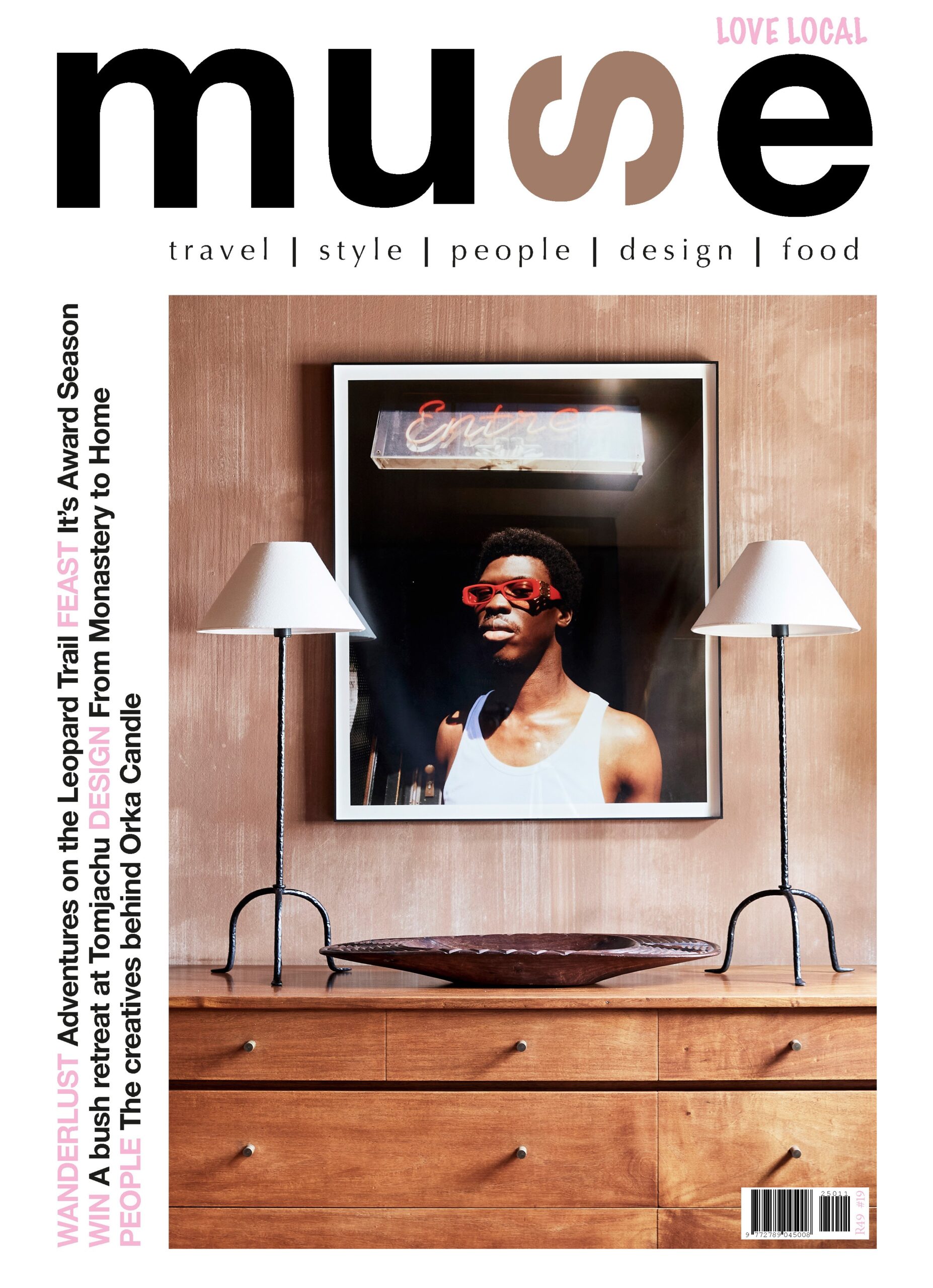
If you listened to Lenyora Wednesday on The Affair, (audio-on-demand below) you didn’t just meet an editor. You met a conductor, a curator, and, in her own words, the chief, cook, and bottle washer of a magazine that insists on doing things properly in an age that prefers shortcuts.
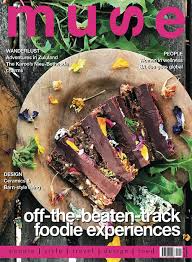
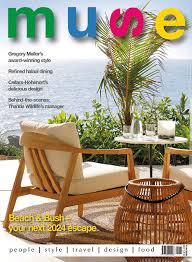
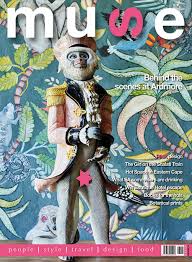
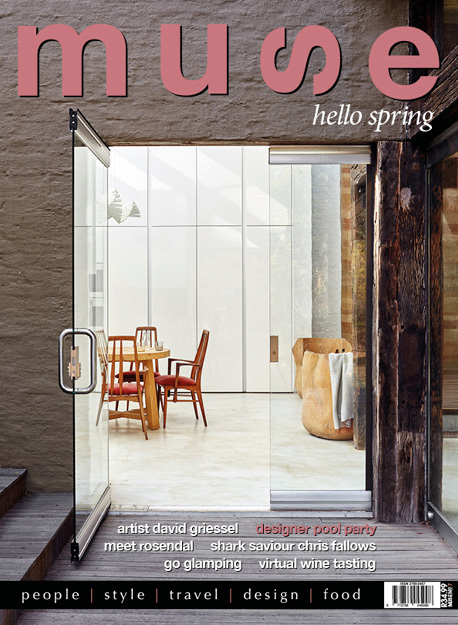
That editor is Nicky McArthur, and the magazine is MUSE Magazine.
So… what exactly is her “MUSE”?
The short answer: it’s not a trend
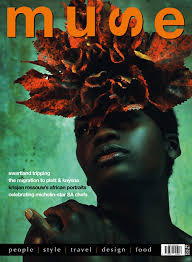
Muse is a lifestyle magazine, yes. But more importantly, it’s a point of view.
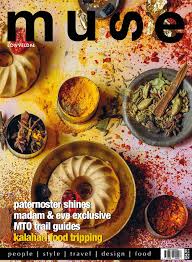
It lives at the intersection of food, travel, design, people, and place, with a distinctly South African accent. The kind that doesn’t shout, doesn’t rush, and doesn’t assume your attention is disposable. Muse is made to be held, paged through, returned to. It’s the opposite of content you forget five minutes later.
The longer answer: why Nicky built it
Nicky’s career has been shaped by regional publishing, editorial leadership, and the reality of keeping magazines alive when budgets tighten and timelines don’t care about your feelings. When previous projects ended during the COVID years, Muse wasn’t born out of nostalgia. It was born out of clarity.
If a magazine was going to exist, it needed to:
-
- celebrate local creators and places without reducing them to hashtags
-
- serve readers something usable, not just aspirational
-
- respect print as a medium, while understanding digital as a necessity
Muse became that answer.
A magazine that knows where it lives
One of the defining traits of Muse is its sense of place. You’ll find stories rooted in towns, kitchens, studios, and landscapes that don’t always make it into national glossies. There’s an understanding that South African culture isn’t centralised. It’s layered, regional, and often best told by people close to the ground.
That doesn’t make Muse small. It makes it specific.
.
Print-first, but not print-only
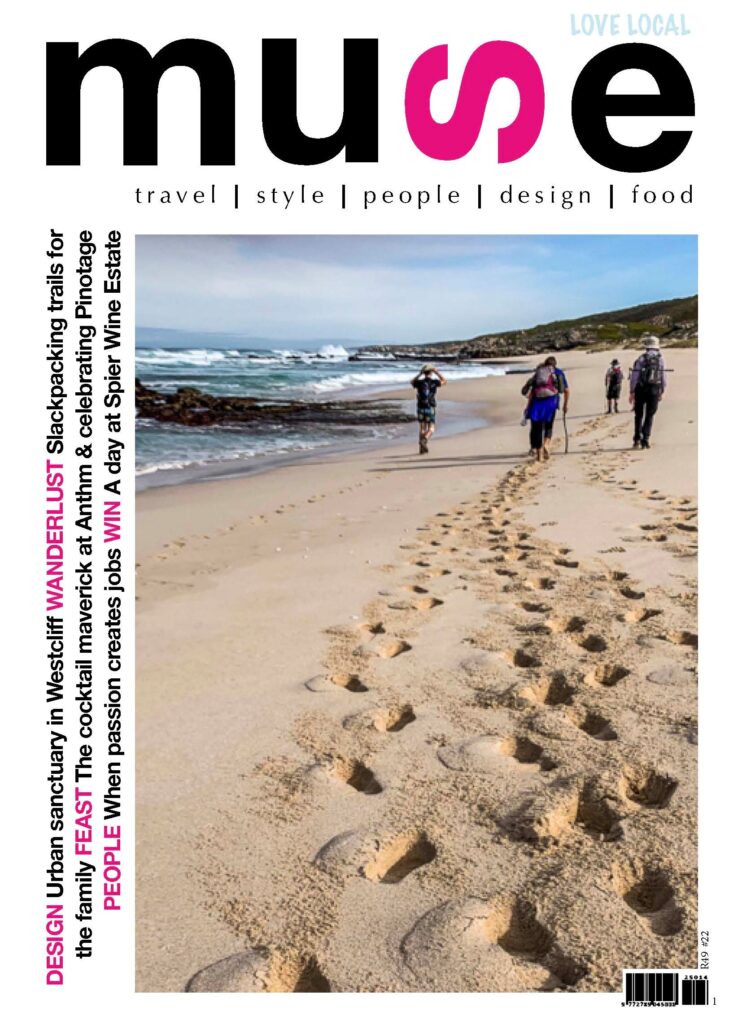
Muse unapologetically values print. The texture of the pages, the pacing of a feature, the way photography breathes when it isn’t fighting for attention on a screen. But it also understands how people move now. Digital extensions, social storytelling, and online readership aren’t afterthoughts. They’re part of the ecosystem.
The key difference is intent. Muse doesn’t chase virality. It chases resonance.
What came through on Lenyora Wednesday
During her conversation with Tlotlang Moletsane on The Affair, Nicky spoke less about glamour and more about graft. About juggling editorial calendars, advertiser expectations, distribution realities, and the occasional crisis that only shows up five minutes before deadline.
She spoke about purpose too. About building something that reflects South Africa’s creative and hospitality spaces with honesty. About choosing stories that invite readers in rather than talk down to them.
It was clear this isn’t a vanity project. It’s a working publication.
The “chief, cook, and bottle washer” philosophy
The line is funny because it’s true.
Running a magazine in 2026 means wearing every hat at some point. Editing copy in the morning. Solving logistics by lunchtime. Thinking about the next issue while still closing the current one. Nicky’s description isn’t self-deprecating. It’s precise.
Muse works because its editor understands every moving part, not just the masthead.
Who Muse is really for
Muse is for readers who:
-
- still like turning pages
-
- enjoy stories that linger
-
- want inspiration they can act on
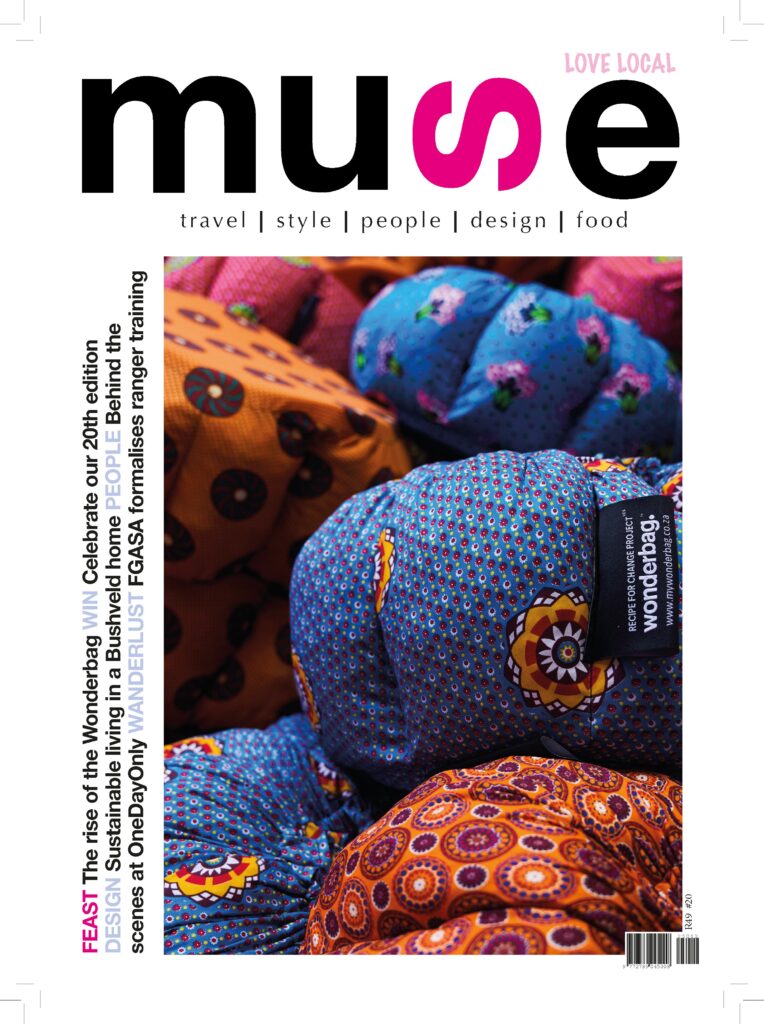
It’s for advertisers who value context over clutter, and for creatives who want their work seen as part of a larger story rather than a standalone post.
So… what is Nicky’s Muse?
It’s a magazine with manners.
A publication with patience.
A lifestyle title that believes taste doesn’t need to be loud to be confident.
And in an era of endless noise, that might be its most radical choice
